When Paper Carries the Memory of a Nation
From historical newspapers at Shanghai's Sihang Warehouse Battle Memorial to the books we produce today, discover how print preserves stories, connects generations, and gives ideas a lasting physical form.
Published: 26 October 2026
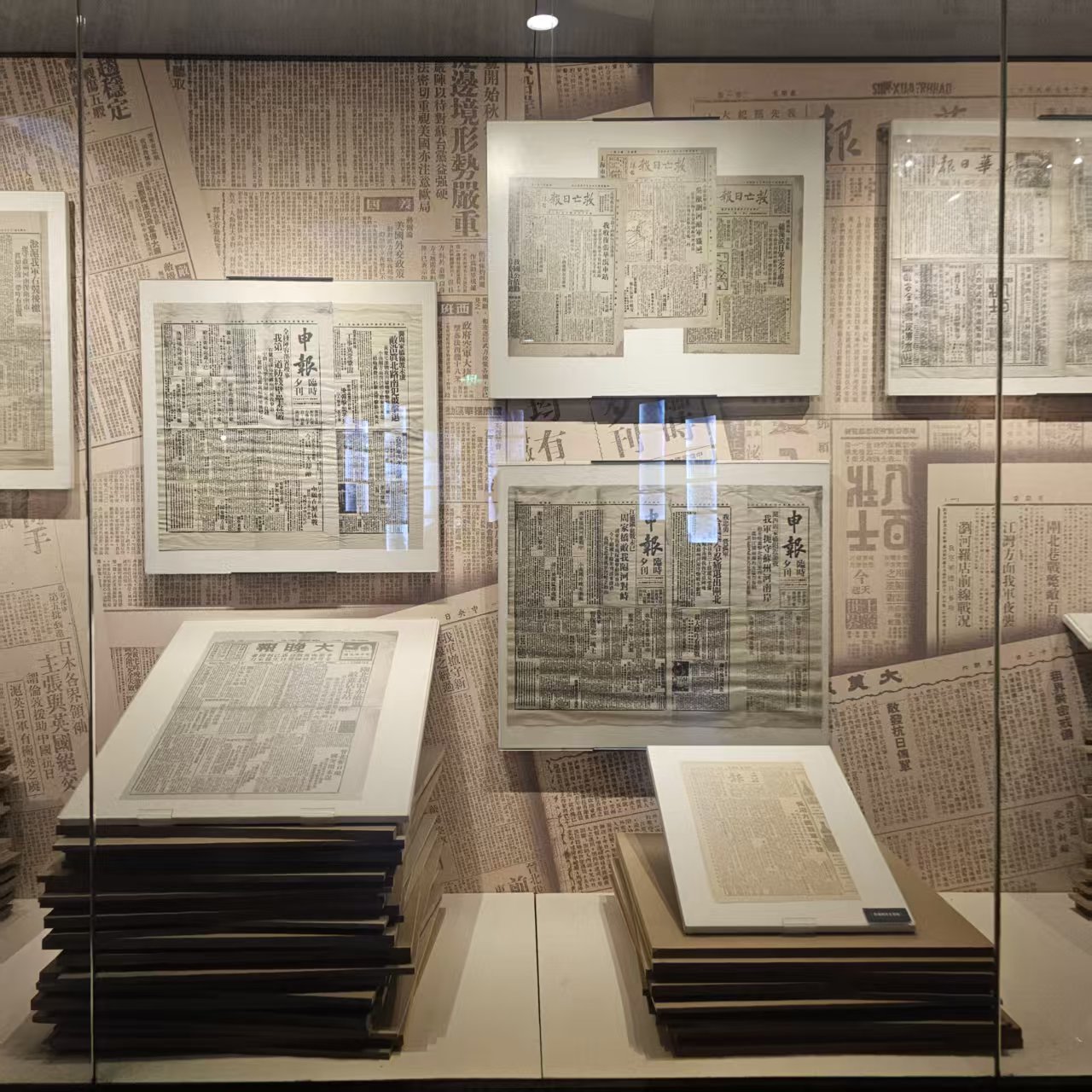
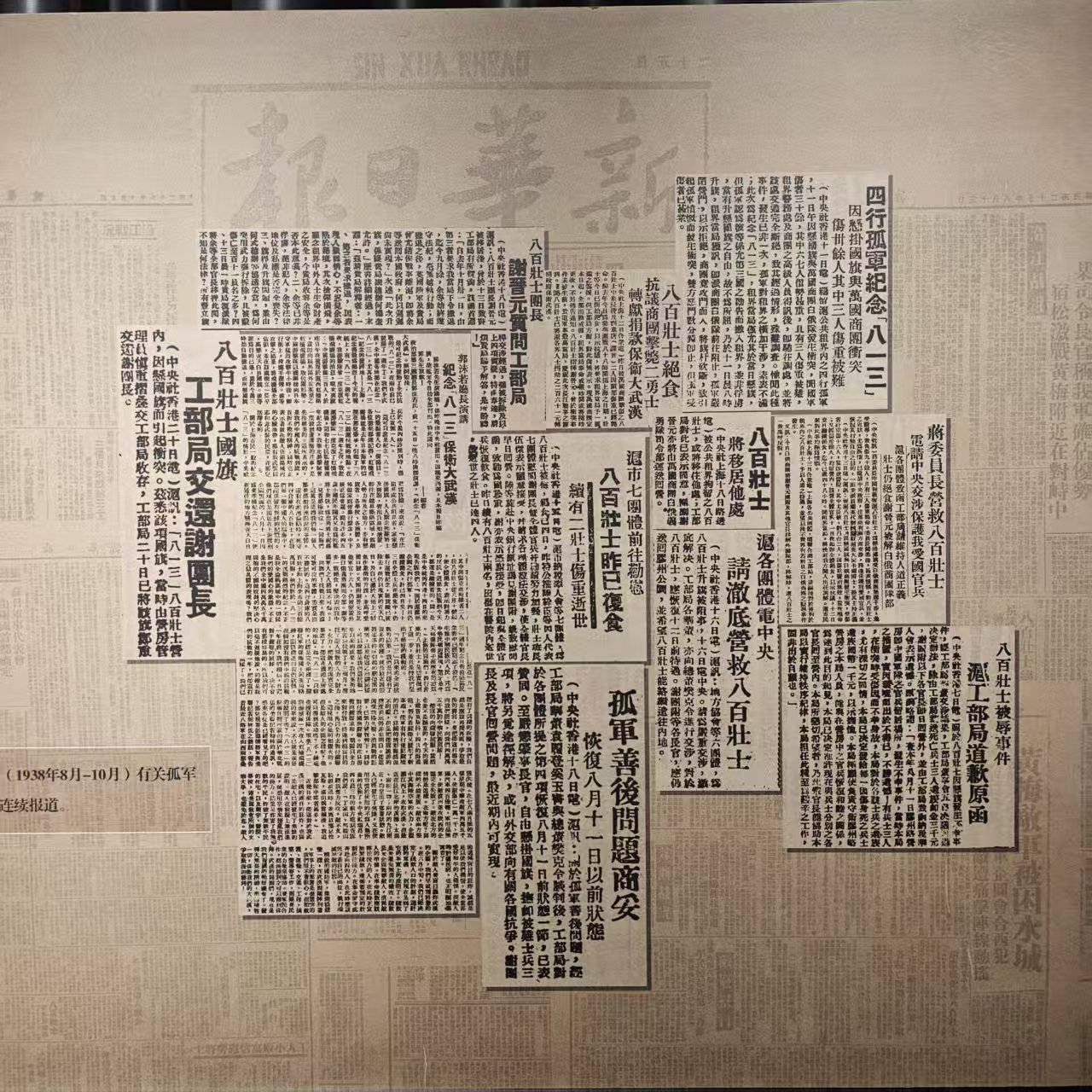
Last Saturday, I visited the Sihang Warehouse Battle Memorial in Shanghai. Among the exhibits were historical newspapers, English-language publications, documents related to the Eight Hundred Heroes, and an old printing press.
The visit left me thinking about something closely connected to my work at SEAL LAB PRINT: the lasting value of printed objects.
The defence of Sihang Warehouse during the Battle of Shanghai in 1937 remains an important part of China's history and a symbol of courage and resistance against Japanese aggression. Seeing the historical materials that preserve memories of this period was a reminder that history is not only recorded in textbooks. It also survives in the physical objects people leave behind.
For someone working in printing, this raises an interesting question: what gives a printed object value beyond the moment it is produced?
When Newspapers Become Witnesses to History
One exhibit that caught my attention was Shen Bao (申报), the influential Shanghai newspaper founded in 1872.
Looking at a historical newspaper is different from reading about the same events online. Its headlines, typography, language, and paper all belong to a particular moment in time. The original document offers a tangible connection to the people who read it and the world in which it was produced.
A newspaper cannot tell the whole story of history, and every historical source has its own perspective. But it can preserve traces of how events were reported, how information travelled, and how people understood the world around them.
The news may have passed, but the printed page remains.
This is one of the remarkable qualities of print. An object originally created for everyday use can eventually become a historical record, helping later generations explore a world they never experienced themselves.
The same principle applies, on a smaller and more personal scale, to the books we read, the photographs we keep, and the documents families pass down through generations.
Stories That Travel Beyond Borders
The English-language publications displayed at the memorial offered another perspective on the history of Sihang Warehouse.
During the Battle of Shanghai in 1937, the defence of the warehouse drew attention beyond China. Historical reports helped carry accounts of these events to readers far from the place where they happened.
Seeing publications in different languages alongside one another made me reflect on the ability of printed materials to cross borders. A story may begin in one city, but it can eventually reach readers around the world and become part of a much wider historical conversation.
Every country has its own important stories, and every generation finds different ways to preserve them. The experiences may vary, but the desire to remember people, places, and defining moments is something many cultures share.
Print can help make this possible. A physical document gives a story a form that can be kept, revisited, studied, and passed on—even when the original circumstances have long since disappeared.
From the Printing Press to Modern Book Production
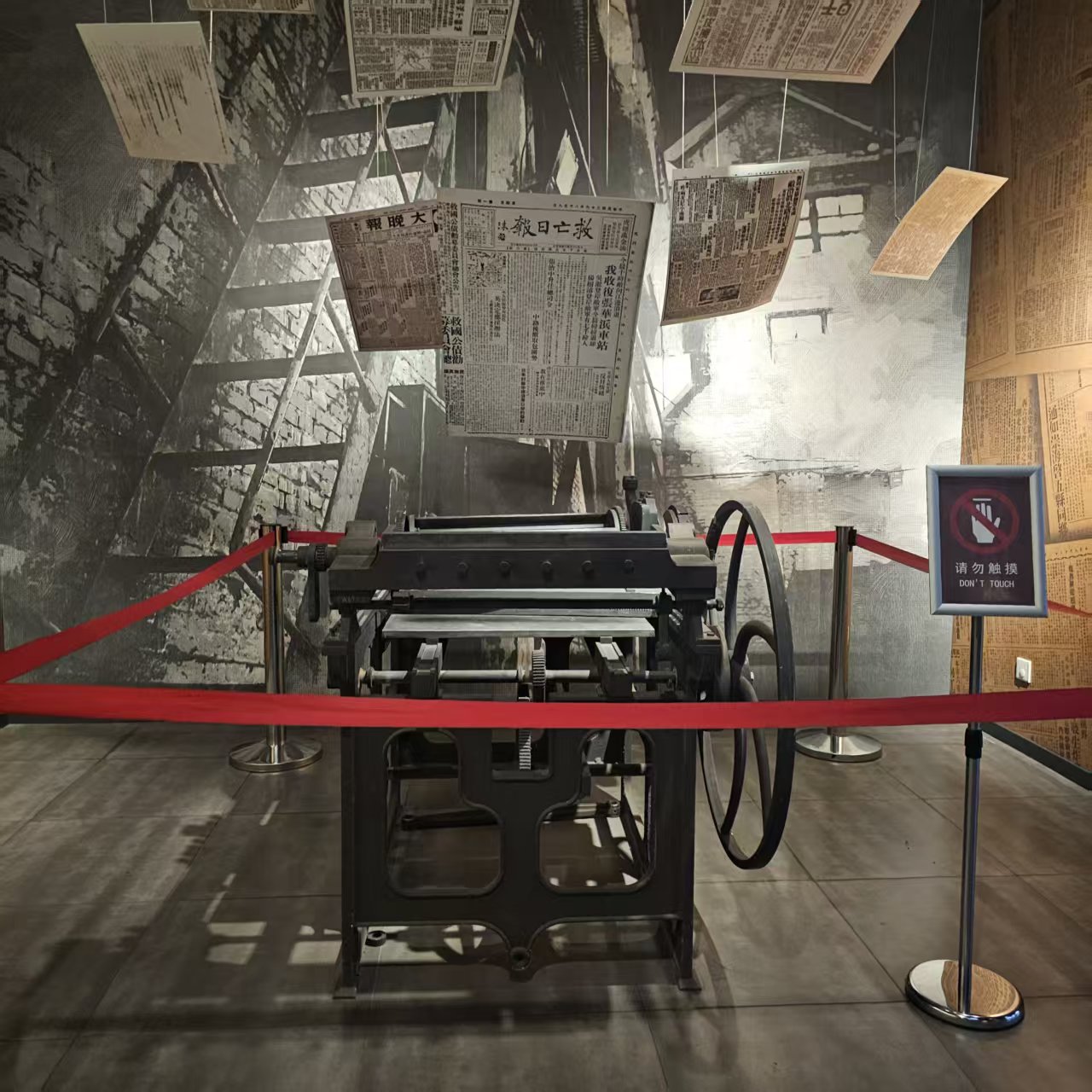
I was equally drawn to the old printing press displayed at the memorial.
Once, it was a working machine used to turn words and images into physical pages. Today, it reminds visitors of the craftsmanship and production processes behind the historical materials we now preserve.
At SEAL LAB PRINT, this connection between ideas and physical objects is central to what we do.
Modern printing has evolved considerably. Advanced printing equipment, digital prepress workflows, colour management, and a wider choice of papers and finishing techniques give publishers and creators more possibilities than ever before.
Yet the fundamental challenge remains the same: how do we translate an idea into a finished product that reflects the creator's intention?
For a book, this involves much more than putting ink on paper. Format, paper selection, colour reproduction, binding, cover materials, and finishing all contribute to the final reading experience.
A richly illustrated art book may require careful colour control and paper that brings out the details of the artwork. A children's book may need durable construction that withstands frequent handling. A collector's edition may call for distinctive materials and finishing that make the physical object part of its appeal.
These are different projects with different priorities. Good production means understanding those differences and making the right choices for each one.
At SEAL LAB PRINT, we work with publishers, authors, creative studios, and brands to turn creative concepts into finished books and printed products. Our role is to help bridge the gap between an idea on screen and a physical object ready to be held, read, displayed, or shared.
Preserving Value in a Digital Age
Digital technology has transformed how we create, distribute, and access information. Historical newspapers can be digitised, books can be read on screens, and creative work can reach international audiences almost instantly.
These developments are valuable. Digital archives make historical materials more accessible, while digital publishing allows ideas to travel quickly and efficiently.
But digital and physical formats offer different experiences.
A digital archive makes it easier to search and share information. An original newspaper carries the physical evidence of its own history: its paper, folds, printing characteristics, and signs of age.
Similarly, a printed book offers qualities that extend beyond its text. Its proportions, materials, binding, illustrations, and tactile details all contribute to how a reader experiences it.
At SEAL LAB PRINT, we see this as an opportunity rather than a competition between print and digital media. Digital tools can support the creative and production process, while the finished physical product gives an idea a tangible presence.
For publishers and creators, the question is not whether everything should be printed. It is which ideas benefit from becoming physical objects, and how those objects should be made.
Turning Creative Ideas into Physical Products
The visit to the memorial also reminded me that the value of a printed object depends partly on how well it serves its purpose.
Not every book needs elaborate finishing or expensive materials. Sometimes, a straightforward and carefully produced paperback is exactly right. In other cases, the project may call for a premium hardcover, a special-edition book, a custom package, or a combination of printed and promotional products.
At SEAL LAB PRINT, we believe production decisions should begin with the project itself.
We work with clients to consider the intended audience, design, quantity, materials, binding, finishing, and practical requirements. The goal is to find an appropriate balance between creative ambition, product quality, and production cost.
For publishers, this may mean helping an illustrated title achieve the right visual impact. For authors and creative studios, it may mean finding a practical way to realise a distinctive design. For brands, it may involve developing packaging and printed materials that create a consistent experience around a product.
Each project is different, but the principle is the same: the manufacturing process should support the idea, not distract from it.
A well-made printed product does not need to be extravagant. It needs to be thoughtfully designed and produced for the people who will use it.
What We Create Today May Matter Tomorrow
Most of the books we produce will never become museum exhibits. They do not need to.
A children's book may become part of someone's childhood. An illustrated edition may be treasured for decades. A novel may be passed from one generation to another. A carefully designed publication may help preserve the work of an artist or communicate an idea that matters to its readers.
We cannot predict which objects will acquire lasting significance. Often, their meaning grows through the people who use them, the memories they create, and the stories associated with them.
This is what makes the history of print so fascinating. The people who produced historical newspapers were creating publications for their own time. They could not necessarily have known that some of those pages would one day be preserved in museums and studied by future generations.
The same uncertainty applies to what we make today.
At SEAL LAB PRINT, we focus on helping clients bring their ideas into the physical world with care and attention to detail. We cannot decide what future generations will value, but we can make considered choices about materials, construction, print quality, and finishing.
Whether it is a paperback for everyday reading, a premium collector's edition, or a custom printed product, every project has a purpose and an audience. Our responsibility is to help the finished object fulfil that purpose as well as possible.
Print Connects Generations
Leaving the memorial, I kept thinking about how an ordinary printed page can take on a meaning far beyond its original purpose.
The newspapers on display were once part of everyday communication. Today, they help people understand a period of history. The old printing press was once a production tool. Now, it stands as a reminder of the relationship between technology, craftsmanship, and the preservation of ideas.
Beyond China, people everywhere have their own ways of keeping memories alive: family photographs, handwritten letters, old books, newspapers, and objects passed down through generations. Their stories may be different, but the desire to preserve what matters is widely shared.
This is also what makes our work at SEAL LAB PRINT meaningful to us. We help publishers, authors, creative studios, and brands transform ideas into physical products that can be experienced beyond a screen.
We may not know how a book printed today will be regarded fifty or a hundred years from now. But we know that thoughtful production helps give a creative idea its best chance to reach readers, serve its purpose, and become part of someone's life.
Some printed pages preserve the memory of a nation. Others preserve a personal story, a creative vision, or a moment worth remembering. Across cultures and generations, they remind us that the things we create today may become part of someone else's tomorrow.
That is why print still matters—not because every page will become a historical artefact, but because every well-made printed object has the potential to mean something to someone.
And sometimes, that meaning lasts far longer than we ever expected.
Andreas
SEAL LAB PRINT
About SEAL LAB PRINT
SEAL LAB PRINT works with publishers, authors, creative studios, and brands to produce books, premium editions, custom packaging, and other printed products. From paper selection and binding to colour reproduction and finishing, we help clients turn creative ideas into thoughtfully manufactured physical products.
Have a project in mind? Contact us at hello@seallabprint.com.
Sources & Further Reading
Shanghai Municipal Government — Information on the Sihang Warehouse Battle Memorial.
University of Tokyo — Shen Bao Database.
Staatsbibliothek zu Berlin — Digitised Shen Bao Newspaper Archive.